Advice
Why Car Parks Ice Up When The Air Says It Shouldn't
Ground temperature, not air temperature, is what decides whether ice forms on your site.
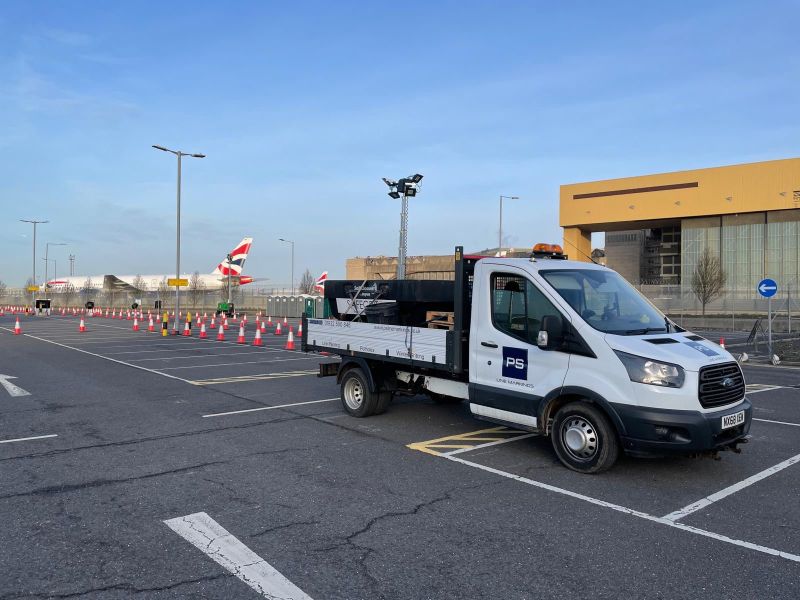
It is a mild-looking evening, the weather app says 2°C. The next morning, the car park is a sheet of ice and the first person in is skidding across the bays.
This is one of the most common surprises in winter maintenance, and it's easy to explain.
Air Temperature Is Only Half The Story
Air temperature is measured about a metre or two above the ground. The surface itself loses heat differently. On a clear, still night, tarmac radiates heat to the sky and can drop several degrees below the air above it. That means a car park can be below freezing while the weather forecast insists it isn’t.
Add a little moisture and the problem starts. Dew, drizzle and damp patches all freeze once the ground surface reaches zero, even when the forecast air temperature stays above it. The result is often black ice: thin, clear and easy to mistake for wet tarmac.
Why Ground Temperature Forecasts Matter
Specialist road weather forecasts predict surface temperature for a location. That’s the number a gritting plan should be built on. It’s also why a site can need treating on nights that seem too warm for frost.
- Clear skies let surfaces lose heat quickly. Without cloud cover to hold the warmth in, heat escapes and the surface cools fast.
- Damp or wet surfaces turn to ice as the surface reaches freezing.
- Shaded or exposed areas can be colder than the rest of the site, so ice can linger in the shadow of a building or form first across wide, open bays.
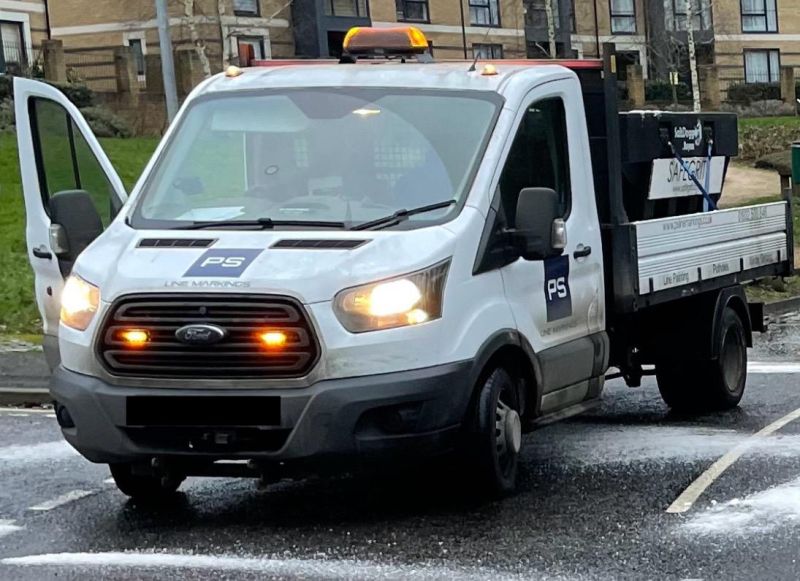
Why Car Parks Catch People Out
Car parks tick every box for ice: big, open, flat surfaces that lose heat quickly, with shaded corners that stay cold and wet. The pedestrian routes from the bays to the entrance carry the most footfall, and the coldest part of the night is often just before dawn, right as staff, customers and deliveries start to arrive.
Treat Before The Ice Forms
Once ice has formed, you’re reacting. Spreading salt before the frost arrives stops ice bonding to the surface in the first place. That only works if the decision is based on surface temperature, not the air temperature on the forecast.
How SafeGrit Helps
We monitor road surface temperature as well as air temperature, so mild-looking nights don’t catch your site out.
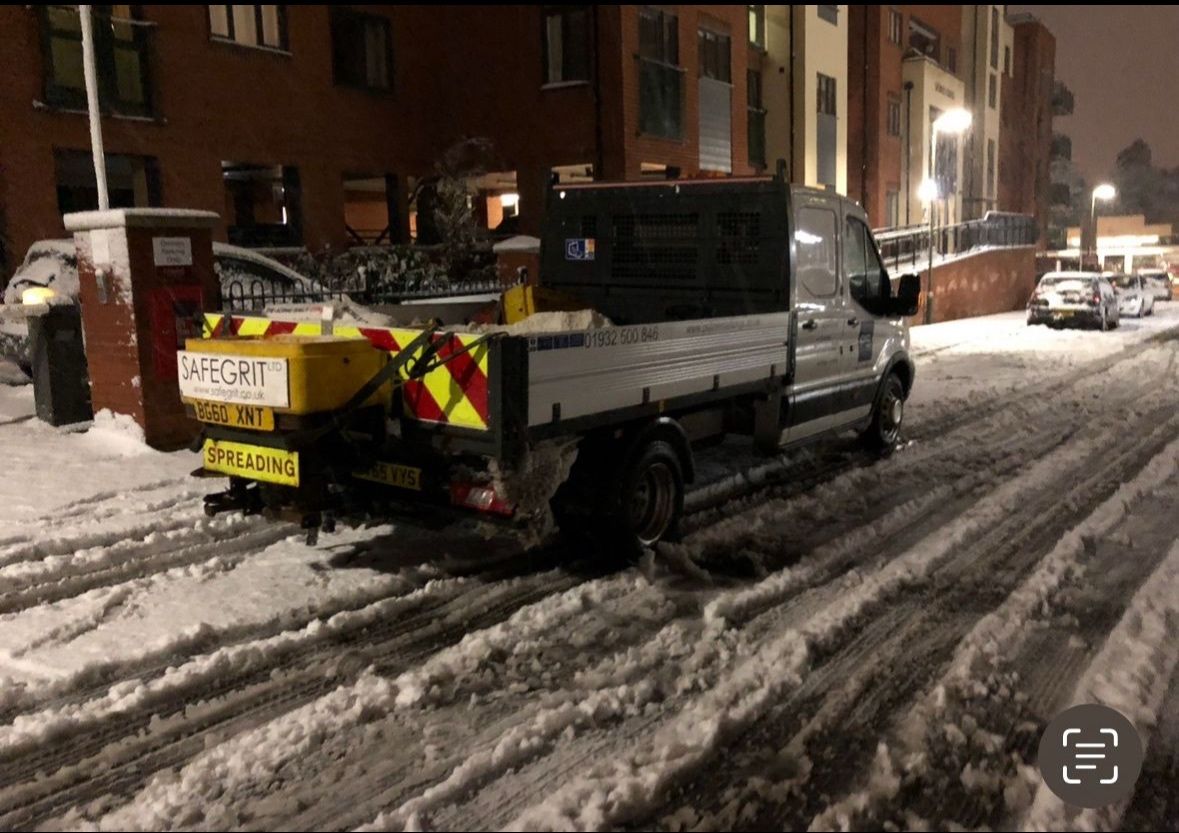
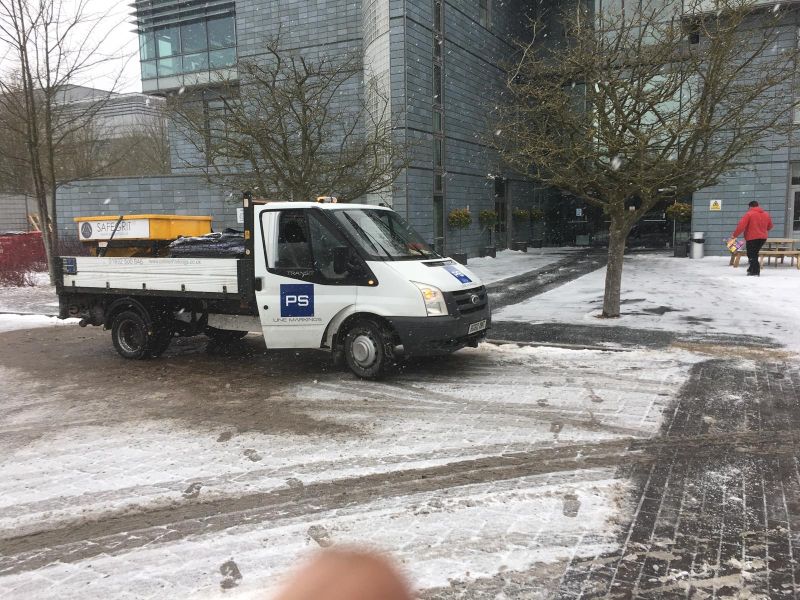
- Automatic call-outs. When a drop in surface temperature is forecast at your site, we attend that same evening or in the early hours of the morning. You don’t need to phone us or check the weather.
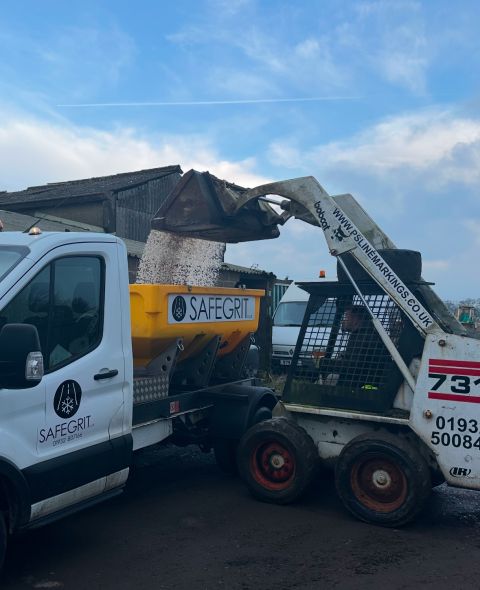
- Thorough treatment. We spread clean white rock salt on the areas that need it, from car parks and access roads to doorways, stairwells and footpaths.
- Proof it’s done. Our crews log each visit on our app with before and after photos, and you receive a confirmation email afterwards.
- Flexible pricing. Choose an annual plan covering 1st November to 11th April, or pay as you go with a flat rate per visit.
Every contract starts with a free site inspection and a plan that shows exactly what we’ll treat and when.