Advice
How To Keep Pavements And Walkways Safe In Winter
Snow you can see. Ice you often can’t. Here’s how to deal with both.
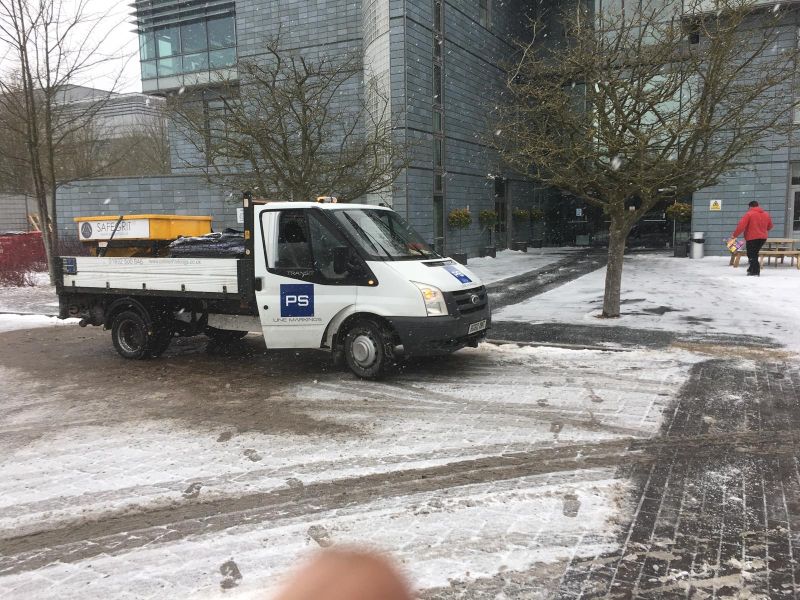
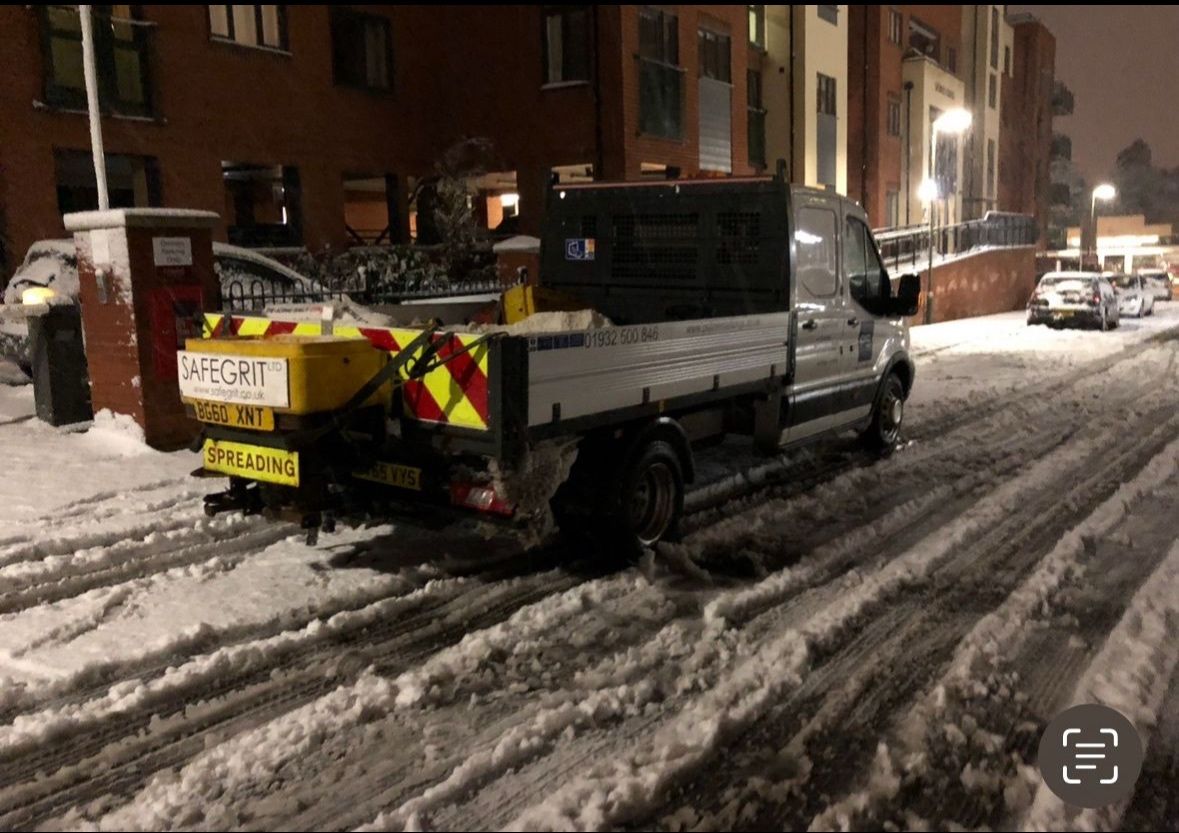
Winter changes how people move around a site. A short walk from the car park to the front door, which nobody thinks twice about in July, can become the most hazardous part of the day once frost and snow arrive.
If you manage a business, school, housing site or any premises that people walk across, keeping pavements and walkways safe is one of the most important jobs of the season.
Two Problems, Two Solutions
Snow and ice are different hazards and need different treatment.
- Ice often forms overnight on surfaces that looked fine the evening before. The answer is gritting: spreading salt so ice can’t bond to the surface.
- Snow needs to be physically removed. Left alone, it gets trodden down and compacted into slippery sheets that are far harder to shift. The answer is snow clearance.
Many sites need both, and the best results come from treating them as one plan.
Why Black Ice Is So Dangerous
Black ice is a thin, clear layer of ice that looks like wet tarmac or a damp pavement and can hide under a thin sheet of snow. That’s what makes it so hazardous:
- It’s hard to see, so people don’t slow down or change their footing.
- It’s very slippery, and falls tend to happen with no warning.
- The injuries can be serious. Slips on ice can cause sprains, broken wrists, ankles and hips, and head injuries, and recovery can take weeks or months.
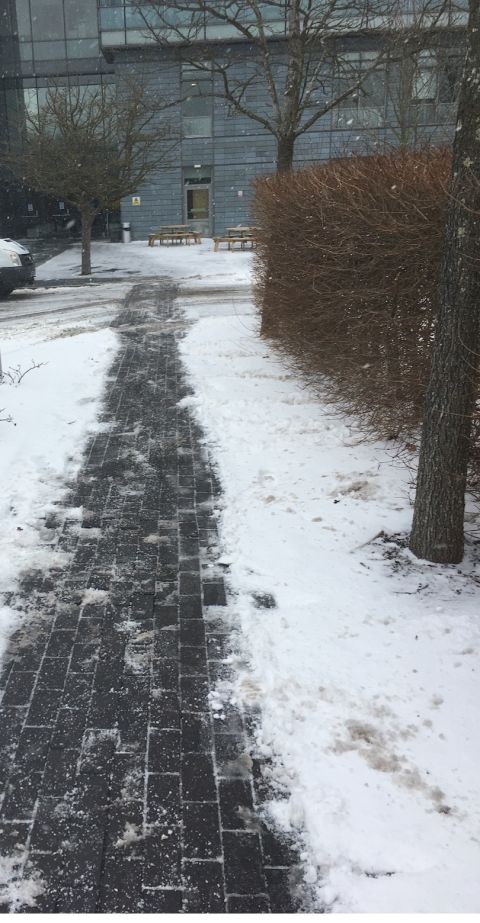
Gritting: Stop Ice Before It Forms
Salt works by lowering the freezing point of water, so it does most good when it’s spread before the frost arrives, not after someone has slipped.
- Base decisions on surface temperature, not just the air temperature on the forecast. Pavements can freeze when the air reads above zero.
- Prioritise the key routes: entrances, exits, steps and ramps, pedestrian crossings, accessible routes and any shaded areas that stay cold and damp.
- Time it well. Treatment should be finished before staff, customers or pupils start to arrive, so late evening or the early hours is usually the best window.
Snow Clearance: Get It Moving Early
- Clear snow as soon as it’s safe to do so, before it compacts into ice.
- Use the right equipment. Mechanical ploughs suit roads and large areas, and smaller equipment is better for footpaths, doorways and tight spaces.
- Treat the surface afterwards. Once the snow is cleared, salt helps stop what’s left refreezing overnight.
What About The Law?
Slips on ice can cause serious injuries, and businesses may be liable if someone is hurt on their premises. Understanding where the responsibility sits helps you make sensible decisions.
What’s expected of you. Businesses are expected to monitor the weather and take proportionate action. That might mean gritting pathways, clearing snow and ice from car parks and entrances, or cordoning off dangerous areas.
Employers have a further duty. Under health and safety law, including the Health and Safety at Work etc. Act 1974, employers must also take care to maintain safe walking routes and car parks for their staff.
Doing nothing is the weak position. If an area has become an icy hazard and nothing is done about it, a business is in a much harder position if someone gets hurt.
You’re not automatically liable, though. A business isn’t liable just because someone slips on ice, and weather conditions can change quickly. A claim usually depends on showing that:
- The business knew, or reasonably should have known, about the ice hazard.
- It failed to take reasonable or timely precautions, such as gritting, salting, clearing or warning people.
- That specific failure directly caused the slip and the injury.
In practice, that makes a clear, documented winter plan your best protection. Warning signs on their own are rarely enough, and work best alongside gritting, clearing or closing off the area.
This article is general information, not legal advice. If you’re unsure about your responsibilities, speak to a qualified professional.
A Simple Winter Checklist
- Identify your priority areas: entrances, car parks, steps, ramps, shaded and sloped routes.
- Monitor surface temperature forecasts, not just the air temperature.
- Agree how early treatment needs to be finished before opening.
- Clear snow promptly and treat afterwards to prevent refreezing.
- Use cones, barriers or signs alongside treatment where an area can’t be made safe straight away.
- Keep records of what was done and when.
- Review your plan each autumn, so priorities stay in step with how your site is used.
How Safegrit Helps
If you can’t do this every night, that’s what our winter contract is for.
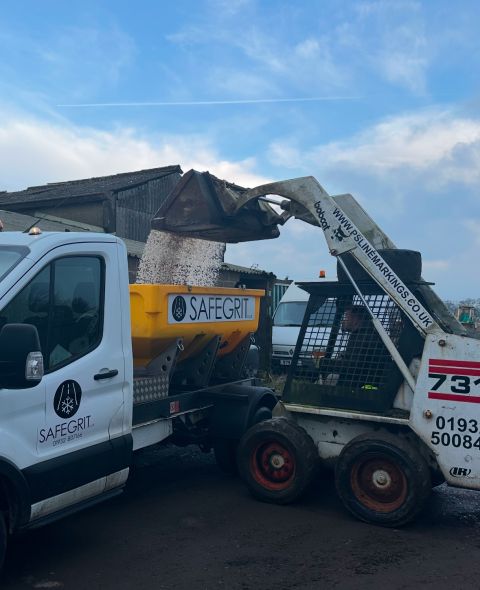
- Automatic gritting. We monitor road surface temperature as well as air temperature. When a drop is forecast at your site, we attend that same evening or in the early hours of the morning, with no calls or weather-watching from you.
- Snow clearance. Our own mechanical ploughs clear roads and large areas, and our smaller equipment deals with footpaths and tight spaces.
- Records you can keep. Our crews log every visit on our app with before and after photos, and you receive a confirmation email afterwards, giving you a clear record of the action taken.
- Insured and accredited. We hold £5 million Public Liability and £10 million Employers Liability insurance, and our crews are Lantra-qualified in Gritting and Snow Clearance.
Every contract starts with a free site inspection and a plan that shows exactly what we’ll treat and when.